

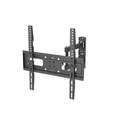
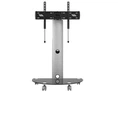
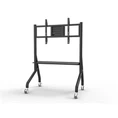
Let me start with a story. Last month, I had a chat with Maria, the operations manager at a large conference center in downtown Chicago. She told me their old heavy-duty TV cart had broken down right before a major industry summit—you know, the kind that draws hundreds of attendees. They’d tried to rush out and buy a new one, but the lead time was two weeks, and they couldn’t push the event back. So they rented a cart temporarily, which cost them nearly three times what they would have paid for a reliable used one. “If I’d known where to look for quality second-hand heavy-duty TV carts,” she said, “I would have saved thousands and avoided that last-minute panic.”
That conversation stuck with me. As someone who’s been in the heavy-duty TV cart supply business for over a decade, I get it—whether you’re managing a conference center, a school, a corporate office, or a repair shop, sometimes you need a second-hand option that’s up to the task. The problem is, not all used TV carts are created equal. A flimsy lightweight cart might work for a 32-inch TV in a small office, but when you’re talking about a 75-inch display, multiple monitors, or equipment that needs to be moved across a warehouse or between event spaces, you need that heavy-duty build.
So where do you find second-hand heavy-duty TV carts that won’t let you down? Let’s break this down into practical, actionable places, plus what to look for when you’re browsing, and how to avoid the mistakes Maria almost made (and that I’ve seen countless others make too).
First, let’s talk about the most common places people look, and which ones actually deliver on heavy-duty options. Online marketplaces are the go-to for most people, but here’s the thing: not every listing for a “heavy-duty” cart is actually heavy-duty. I’ve seen listings for rolling stands that say they hold 500 lbs, only to find out they’re plastic and would collapse under a 300-lb load. That’s why it’s crucial to know what makes a heavy-duty TV cart heavy-duty—steel construction, reinforced bases, locking casters that can handle rough surfaces, and a weight rating that matches your equipment.
When it comes to online marketplaces, Facebook Marketplace is a surprisingly good spot if you filter correctly. Search for terms like “industrial TV cart” or “commercial grade rolling TV stand” instead of just “TV cart.” I’ve seen businesses sell gently used heavy-duty units when they upgrade to larger or more advanced models. But the catch here is that you have to inspect the cart in person. Ask the seller to show you the weight capacity, check for rust on the frame, make sure the casters roll smoothly, and test the locking mechanism. I once helped a school district pick up a set of used heavy-duty carts from a local office that was closing—they’d only used them for two years, and they were in perfect shape. But we did a full inspection, because even a well-cared-for heavy cart can have bent frame rails if it was overloaded before.
Then there’s Craigslist. Again, the same rules apply, but you’ll often find more commercial listings here than on Facebook Marketplace. Businesses use Craigslist to offload equipment when they’re liquidating or renovating. A lot of these heavy-duty TV carts are from places like hospitals, universities, or corporate headquarters where they’re used carefully and maintained regularly. I recommend setting up alerts for terms like “heavy duty portable tv stand” (wait, that’s one of our product lines—good to note that the same kind of build we offer new can be found used too) and “commercial TV rolling cart.” When you get an alert, reach out quickly because good deals disappear fast. Last quarter, a client of mine found a set of four heavy-duty rolling TV stands from a tech company that was downsizing. They paid half the cost of new, and the carts were only six months old. The key here was that the seller had all the original documentation, including the weight rating, so we knew they were legitimate heavy-duty units, not light imposters.
eBay and other auction sites are another option. The great thing about eBay is that you can filter for “industrial” or “heavy duty” and see seller ratings. But shipping large items like TV carts is expensive, so you’ll want to check if the seller offers local pickup or if the shipping cost is worth it. I’ve seen cases where a cart was listed for $100, but shipping was $200, making it more expensive than buying new from a reputable supplier. That said, if you’re able to pick it up, eBay can have solid deals. Just make sure to ask for detailed photos of every part—frame, casters, adjustment mechanisms—and ask if there’s any damage, even minor scratches. Minor scratches on a steel frame are no big deal, but bent frame rails or cracked welds? That’s a red flag that the cart might not be safe to use with a large TV.
Now, here’s a place many people don’t think about: local surplus and liquidation auctions. These are auctions where businesses sell off used equipment when they close, merge, or upgrade. I’ve worked with several schools that found fantastic second-hand heavy-duty TV carts at these auctions. The advantage here is that you can see all the carts in person before bidding, so you can test them, check their condition, and compare them to other units. The downside is that there might not be a lot of carts available at once, and you have to be careful not to overbid. I always tell people to set a maximum budget before the auction and stick to it—don’t get caught up in the excitement and pay more than you would for a reliable new unit.
Another underrated source is AV equipment repair shops. Tech shops that fix TVs and AV systems often have connections with businesses that are replacing old heavy-duty carts. They might sell you a used cart for a fair price, or even have refurbished ones that they’ve fixed up. The best part is that they know exactly what to look for in a heavy-duty cart—since they work with these systems every day. A few months ago, a small business owner came to me looking for a second-hand cart, and I suggested checking with a local AV shop. They ended up getting a refurbished heavy-duty unit that had new casters and a minor frame repair, all for a quarter of the cost of new, and it was good as new.
But wait—what about the risk of buying something that’s not reliable? That’s where working with a reputable supplier like me comes in, even for second-hand options. A lot of people don’t realize that some heavy-duty TV cart suppliers offer certified pre-owned units. We’ve done this for years—we take trade-ins from customers who are upgrading, inspect every cart thoroughly, repair any wear and tear, and offer them at a discounted price. These units have the same quality build as our new ones, with the added benefit of being broken in (so you don’t have to worry about initial manufacturing defects). When I talk about our new products, like the Heavy Duty Portable TV Stand, I always mention that their durable steel frame and heavy-duty casters make them ideal for repeated moves—so a used version that’s been well-cared-for is just as reliable for many applications.
Now, let’s talk about what to actually look for when you’re shopping for a second-hand heavy-duty TV cart, regardless of where you find it. This is critical—don’t just look at the price tag. First, check the frame. It should be made of thick steel (not aluminum, which is lighter and less durable for heavy use). There should be no rust, bent rails, or cracked welds. If you see a small scratch, that’s fine, but any structural damage is a dealbreaker. Next, look at the weight rating. A true heavy-duty cart should hold at least 500 lbs—enough for most 70-inch, 75-inch, or even 85-inch TVs, plus any AV equipment like soundbars or cable boxes. If the listing says “holds 200 lbs,” that’s a light-duty cart, not what you need.
Then there’s the casters. Heavy-duty carts need casters that can handle smooth and rough surfaces—concrete, carpet, uneven event floors. They should be locking, so the cart doesn’t move when you need it stable, and they should roll smoothly without any wobbling. Test them by rolling the cart around a flat surface, and see if you can lock and unlock the brakes easily. I’ve seen many used carts that have cheap casters that wear out quickly, so replacing them can add to the cost—make sure you factor that in when comparing prices.
Adjustability is another thing to consider. If you’re using the cart for different TV sizes, you’ll want one with adjustable mounting brackets that work with VESA standards. A good second-hand cart should have these, but make sure the brackets are not bent or stripped. Also, check the height adjustment—if you need the TV at a specific height for presentations or viewing, the cart should have a reliable height mechanism that locks in place.
Don’t forget to ask about the history of the cart. How old is it? How was it used? Was it used in a warehouse, a classroom, or a conference space? A cart that’s only used occasionally in a classroom will be in much better shape than one that’s moved every day across a rough concrete floor in a manufacturing plant. If the seller has maintenance records, that’s a big plus—it shows they cared for the cart properly.
Now, let’s get back to Maria’s story. After we talked, she followed my advice and checked a local surplus auction. They didn’t have any heavy-duty TV carts that day, but one of the auction organizers told her about a local tech company that was replacing their AV carts. Maria contacted them, and they sold her four gently used heavy-duty rolling TV stands for a fraction of the cost of new. She inspected them, tested them at the company’s office, and they worked perfectly for her next summit. That experience taught her that with a little research and knowing what to look for, second-hand heavy-duty TV carts can be a great solution.
Of course, there are times when buying new is the better choice. If you need a cart immediately, have a very specific requirement (like a custom height or special features), or you don’t want to deal with inspections and repairs, a new heavy-duty TV cart might be worth it. But if budget is a concern, and you’re willing to put in a little time to find the right one, second-hand options are absolutely viable.
I’ve been in this industry long enough to know that reliability is non-negotiable when it comes to heavy-duty TV carts. Whether you’re buying new or used, you need something that will hold up to repeated use, transport large equipment safely, and last for years. That’s why I always tell people to avoid “too good to be true” deals on carts that don’t have a reputable build. A $50 cart might seem like a steal, but if it can’t hold your 75-inch TV, it’s not worth the money.
If you’re still not sure where to start, or you want to learn more about certified pre-owned options, feel free to reach out. As a heavy-duty TV cart supplier, I’m happy to answer questions about what to look for, or even point you in the direction of trusted sources for second-hand units. Whether you’re in the market for a single cart for a small office or a dozen for a large organization, we can help you find the right solution—whether that’s a new Heavy Duty Portable TV Stand, a refurbished used unit, or advice on where to find reliable second-hand options.
Don’t let last-minute equipment panics derail your events or operations. With a little knowledge and the right resources, you can find quality second-hand heavy-duty TV carts that meet your needs without breaking the bank. Take the time to inspect, ask questions, and verify the build quality—your budget and your equipment will thank you.


References:
- National Association of Conference Center Operations. (2023). "AV Equipment Reliability Guidelines for Event Spaces." Industry Best Practices Report.
- Heavy Duty TV Cart Supplier Maintenance Standards. (2022). "Certified Pre-Owned Unit Inspection Protocols." Product Support Document.
- Surplus Equipment Auction Association. (2023). "Buyer’s Guide for Commercial AV Equipment at Auctions." Industry Resource Manual.
- Educational Technology Solutions. (2022). "AV Equipment Procurement for K-12 Schools: Cost-Effective Strategies." Annual Procurement Report.
- American Rental Association. (2023). "AV Equipment Rental Cost Analysis: Comparing Rental vs. Purchase Options." Industry Cost Guide.