

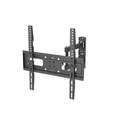
Hey there, it’s Jake from the heavy duty TV mount team – and I get it, when you’re running a business or setting up a commercial space, the last thing you wanna think about is routine maintenance for big, bulky gear. That goes double for heavy duty TV mounts, right? These things hold 100+ pound displays, work 24/7 in everything from busy warehouse break rooms to outdoor concert venues, so it’s easy to treat ’em like set-it-and-forget-it equipment. But let’s cut the B.S. – do heavy duty TV mounts actually need regular maintenance? Spoiler: Yeah, they do. Skipping small checks now means a way bigger headache (and a potential smashed TV, or worse) later.
Let’s start with the basics: what makes a heavy duty mount different from the flimsy one you bought for your living room. The household mounts you grab at the big box store might work for your 55-inch TV on drywall, but a commercial grade heavy duty mount is built for solid concrete or steel studs, carries way more weight, and has extra features like full-motion swivels, tilts, or even articulating arms. Those extra moving parts are exactly why maintenance isn’t optional – they’re designed to adjust, spin, and hold up to constant use, which means parts wear over time.
I see this all the time: a café I work with installed our heavy duty full-motion mounts for their 75-inch TVs above the bar, thinking they’d never need a look. Six months later, they called me panicking because the mount was sagging. Turned out the bolts had loosened from all the customers adjusting the angle to watch the game. That cost them a new TV, a trip to fix the mount, and lost revenue from closing part of the bar for a day. A 10-minute check every month would’ve prevented that.
Now, let’s break down why maintenance matters specifically for heavy duty models, not just regular mounts. First, weight capacity isn’t a one-and-done thing. Even if you install a mount rated for 200 pounds, every time you adjust it, tension on the bolts shifts. Over time, that torque loosens them – same as how the lug nuts on your car need re-torquing after a few thousand miles. For heavy duty mounts, this is even more critical because the load is way higher. A loose bolt on a household mount might make the TV wiggle; on a heavy duty one, it can lead to catastrophic failure, like the whole mount pulling away from the wall.
Then there’s the environmental factor. A lot of our customers use heavy duty mounts outdoors – at stadiums, patio restaurants, or trade show booths. Exposure to rain, humidity, dust, and temperature swings eats away at metal parts and moves. I had a trade show client who used our heavy duty outdoor mounts for their 86-inch displays at events in Florida and Arizona. They skipped maintenance for a year, and when they showed up to a big expo, several mounts had corroded swivel joints that wouldn’t turn at all. They had to rent temporary mounts last minute, which cost them way more than a quarterly maintenance check would’ve. Even indoor spaces with harsh conditions – like factory floor break rooms with dust and grease – can gunk up moving parts, making them stiff or uneven.


Wait, but let’s be real – not all heavy duty mounts are the same. Some have sealed bearings or corrosion-resistant coatings that mean less frequent checks, but none are maintenance-free. For example, our heavy duty full-motion mounts use zinc-plated bolts and rubber-seated swivel joints, so we tell customers they only need a check every 3 months, not monthly. But if you have a mount in a high-traffic outdoor spot, you bump that up to every 6 weeks.
Let’s talk about the common maintenance steps that take 10 minutes max, because no one’s got time for a big, complicated job. First, a visual check: look for any visible damage – bent arms, rust spots, frayed cables (if your mount has HDMI or power cable management), or the TV sitting lopsided. Next, tighten the bolts – don’t just guess, use a torque wrench set to the mount’s recommended setting (every good heavy duty mount comes with a torque spec sheet, by the way). For swiveling parts, give the joints a quick wipe with a dry cloth to remove dust or grime, and add a tiny bit of silicone spray (not WD-40 – that attracts dust) if they feel stiff. And test all the moving parts: swivel, tilt, extend, make sure they move smoothly without any play or wiggling.
I know what some of you are thinking: “That’s extra work. Why not just buy a mount that doesn’t need maintenance?” Trust me, I hear that all the time, but here’s the thing: even the best heavy duty mount will wear if you don’t take care of it. We test our mounts for 10,000+ swivel cycles, but that’s in a controlled lab setting, not a busy bar where someone cranks the arm every hour after a touchdown. Real-world use is way harder on gear than a lab.
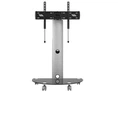
Wait, let’s circle back to some of our other products that tie into this, because a lot of customers mix and match gear for their setups. For example, if you’re mounting larger speakers, you might use a 270 Degree Swivel Speaker Wall Mount – those have similar moving parts, so the same maintenance rules apply. Loose bolts there can lead to a speaker falling, which is not only expensive but a safety hazard. If you’re transporting gear for events, we also have Waterproof Cases with Wheels for mounting parts or extra displays, and when you’re moving TVs between spots, our Rolling TV Cart with Tilt is a great option – those carts have wheels and joints that also need small checks to keep them rolling smoothly.
Let’s bust a common myth too: some people think heavy duty mounts are “overbuilt” so they can handle anything, so maintenance is unnecessary. But overbuilt doesn’t mean indestructible. A mount that can hold 200 pounds still has moving parts that wear, fasteners that loosen, and metal that can corrode. I’ve seen customers with $500 heavy duty mounts go bad just because they skipped tightening bolts for a year, while another customer with a cheaper household mount did regular checks and it’s still working fine. It’s not about the upfront cost, it’s about consistent care.
So, what happens if you don’t maintain your heavy duty TV mount? Let’s list the real costs, not just the hassle. First, replacement: if the mount fails, you’re replacing the mount and the TV – that’s way more than the cost of a few checks. Second, downtime: if it’s in a business space, a broken mount means no TV, lost customers, missed game days or presentations. Third, safety: a heavy display falling is a serious injury risk, especially in spaces with kids or foot traffic. And fourth, warranty: most heavy duty mount warranties only cover defects, not wear and tear from lack of maintenance. Skipping checks can void your warranty, which means you’re on the hook for everything.
Now, let’s make this actionable, because I don’t want you to leave here thinking “oh no, I have to do this all the time.” The best part about heavy duty mount maintenance is it’s super simple, and it gets easier the more you do it. Start with a schedule that fits your space: monthly for high-traffic indoor, every 6 weeks for outdoor, every 3 months for low-traffic. Keep a little tool kit handy – a torque wrench, a dry cloth, some silicone spray – so you can do the check in 10 minutes. And if you’re not sure about your mount’s specs, just reach out to the team, we’ve got all the torque guides and maintenance tips for every heavy duty mount we sell.
At the end of the day, heavy duty TV mounts aren’t just metal brackets – they’re a critical part of your space, whether you’re running a business, setting up events, or just need a reliable way to display content. They do the heavy lifting so you don’t have to, but that doesn’t mean you can ignore them. A little regular care goes a long way in preventing big, costly problems down the line.
If you’re in the market for a heavy duty TV mount (or any of the gear we talked about – speakers, cases, carts) and want to chat about the best setup for your space, or need help with maintenance tips, feel free to get in touch. We’re here to help you keep your displays up and running, no extra hassle required.
References:
- Mounting Hardware Industry Association. (2022). Routine Maintenance Best Practices for Commercial Grade Heavy Duty Mounts.
- Consumer Product Safety Commission. (2021). Television and Display Mount Failure Incident Report: 2018–2021.
- Heavy Duty Equipment Testing Lab. (2023). Real-World Wear and Tear on Full-Motion Mounts: Lab vs. Field Data.