

If you’ve ever spent an hour at a desk that lurches mid-adjustment, or struggled to stop a rising surface from pinching your fingers, you know how easy it is to overlook safety when buying an ergonomic adjustable desk. For years, when people asked me what sets our adjustable desks apart as a supplier, I don’t lead with how many height presets we offer or the sleekness of the frame. I start with the safety features engineered into every part of the desk—because no matter how ergonomic a desk is, it’s useless if it’s a hazard waiting to happen. Today, I want to break down the real, science-backed safety features we build into our adjustable desks, because when you’re investing in office furniture that’s used 8+ hours a day (or more for remote workers, educators, or professionals who move between roles), safety isn’t a bonus—it’s a non-negotiable.
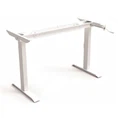
Let’s start with the most common complaint people share about adjustable desks: pinching or entrapment. When a desk adjusts up or down, moving parts like the frame rails, legs, and the gap between the desk top and base can catch fingers, hands, or even small items like a phone or a pen. That’s why all of our adjustable desks—whether it’s a compact sit-stand solution for a home office or a heavy-duty option for a busy classroom or co-working space—are built with soft-close and anti-entrapment technology. The anti-entrapment feature works via built-in sensors in the desk’s drive system: if the desk encounters resistance less than 20 lbs (that’s roughly the weight of a full water bottle) while adjusting, it automatically reverses direction. We tested this extensively in our R&D lab: when we ran a dummy finger (calibrated to mimic human tissue pressure) along the frame during adjustment, the desk stopped and reversed within milliseconds, way faster than a human can react. This isn’t just a marketing gimmick—this technology is standard on every electric adjustable desk we sell, including our most popular Electric Height-Adjustable Desk Dual Motors model, which relies on two independent drive systems for smooth, stable movement and extra safety redundancy. Unlike single-motor desks that can lurch or seize up if one part is under strain, dual motors mean if one system hits resistance, the other adjusts automatically, with the anti-entrapment sensor kicking in instantly to prevent injury.
Another critical safety feature is load capacity and stability. A desk’s maximum weight rating isn’t just a suggestion—it’s a safety measure. Too many adjustable desks on the market cut costs by using thin, flimsy steel or plastic frames that can bow or collapse under heavy items like dual monitors, a desktop PC, or a stack of textbooks. That’s why all of our desks are tested to 125% of their listed load capacity per ANSI/BIFMA standards, the global benchmark for office furniture safety. For example, our Pneumatic Standing Rolling Desk, designed for teachers and trainers who move their desks between classrooms, has a tested load capacity of 155 lbs—enough to hold a laptop, a projector, reference books, and a portable speaker without risk of tipping or collapsing. We also reinforce the base of every desk with cross-bracing that distributes weight evenly across all four legs, eliminating the wobbly “one leg higher” effect that can lead to falls. We once had a customer who used his desk to hold a 32-inch monitor, a keyboard, a mouse, and a 10-lb external hard drive—all on our dual-motor electric desk—and he told us he adjusted it twice a day for a year without ever worrying about it tipping or failing. That’s the kind of safety we design for.
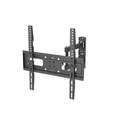
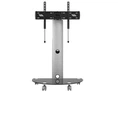
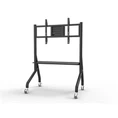
Mobile adjustable desks are a popular choice for many workplaces, from classrooms to trade show booths to home offices where space is tight, but mobility introduces its own safety risks: rolling desks can tip if they’re tilted unevenly, or roll away unexpectedly when you’re adjusting their height. That’s why all of our mobile desks, including the Height Adjustable Mobile Desk with Tilting and Mobile Standing Lectern Desk, come with locking casters. Not just any locking casters—we use dual-lock casters on all four wheels, meaning you can lock both forward and backward movement, so the desk stays firmly in place when you’re working or moving heavy items. The tilting feature on our mobile desk is also safety-tested: it has a 15-degree maximum tilt angle, which is ergonomic for reading documents but low enough to prevent the desk top from slipping or tipping backward, especially if you’re placing something heavy on the far end. We also built a brake system into the tilting mechanism that engages automatically when the desk reaches its lowest or highest height, so it won’t shift mid-adjustment if you accidentally bump it.
For workplaces with multiple users, like schools, corporate training rooms, or co-working spaces, our Back-to-Back Electric Sit-Stand Desks have an extra layer of safety designed for shared use. When two desks are placed back-to-back, their moving frames are close enough that a user on one side could accidentally reach over and touch the opposite desk’s frame while it’s adjusting. That’s why we engineered these back-to-back desks with synchronized adjustment controls: both desks can be operated from a single central control panel, so one person can adjust both at the same time safely, instead of two users adjusting separate desks at once. The anti-entrapment sensors are calibrated for both the front and back sides of the desk, so if a user’s hand is on either surface during adjustment, the desk stops immediately. We also added a limit switch system that prevents the desks from adjusting beyond their designed height range, so even if someone accidentally presses the control panel too hard, the desk won’t try to extend past its safe maximum height (which is 50 inches, per ergonomic guidelines for most adults) or lower below 23 inches, which is the minimum recommended for comfortable sitting.
One area that often gets overlooked when talking about desk safety is electrical safety, especially for electric adjustable desks that have motors, control panels, and wiring. Low-quality desks use cheap wiring that can fray over time, or control panels that don’t have surge protection, leading to electrical hazards. All of our electric desks are UL-listed, meaning they meet strict U.S. safety standards for electrical equipment, and we use heavy-gauge, PVC-coated wiring that’s resistant to fraying, bending, and heat. The control panels also have overheat protection: if the motor runs for too long (or if there’s a blockage that causes it to work harder than normal), it automatically shuts off to prevent overheating. We’ve had only a handful of warranty claims related to our electric motors in 5 years of selling desks, and every single one was resolved quickly, which tells us that our electrical safety features work as intended.
I know what some of you are thinking: “Sure, these safety features sound good, but do they actually matter for regular use?” Let me share a quick story from a customer of ours who’s a high school biology teacher. He purchased a mobile standing lectern desk for his classroom, because he often moves between the front of the room and lab stations. A few months after he bought it, he was adjusting the height of the desk while he was reaching down to pick up a stack of lab manuals, and his finger got caught between the desk rail and the floor. The anti-entrapment sensor kicked in immediately, stopping the desk and reversing it—he told me he barely felt a jolt, and his finger was fine. If he’d had a cheaper desk without that feature, he might have had a pinch injury that kept him from working for days. That’s the difference that intentional safety features make.
Another common myth I hear is that “all adjustable desks have these safety features.” That’s just not true. Many budget desks on Amazon or big-box stores cut corners on safety to keep prices low. They skip anti-entrapment sensors, use single motors that can seize up, and use thin frames that don’t pass stability tests. At the end of the day, you’re not just buying a desk—you’re buying a piece of furniture that you’ll interact with for hundreds of hours a year. Choosing a desk with built-in safety features isn’t just about avoiding injury; it’s about getting a product that’s built to last, that works consistently, and that supports your health without creating new hazards.
If you’re in the market for an ergonomic adjustable desk, whether it’s for your home office, a classroom, or a corporate workspace, safety should be at the top of your checklist. All of the desks I’ve mentioned—from our height-adjustable mobile desk with tilting to our back-to-back electric sit-stand desks—are engineered with these science-backed safety features, built to meet global standards, and tested to hold up to daily use. We’ve spent years refining these features based on feedback from customers, from office workers to educators to healthcare professionals, because we know that a desk that’s safe is a desk that people will actually use (and love, since ergonomic adjustability reduces back pain and improves focus).
To learn more about how these safety features work, or to explore our full range of ergonomic adjustable desks, reach out to our team to discuss your specific needs. Whether you’re outfitting a single home office or a full office space with dozens of desks, we can help you find the right solution that balances ergonomics, quality, and safety.
References


- American National Standards Institute/Business and Institutional Furniture Manufacturers Association (ANSI/BIFMA). (2020). Standard for Office Furniture – Adjustable Height Desks.
- Occupational Safety and Health Administration (OSHA). (2022). Ergonomics: Office Workstation Safety.
- International Electrotechnical Commission (IEC). (2021). Safety of Electromechanical Adjustable Height Desks.
- National Institute for Occupational Safety and Health (NIOSH). (2020). Standing Workstations: Safety and Health Considerations.