

When it comes to setting up a home entertainment system, the TV floor stand plays a crucial role. Not only does it provide a stable base for your television, but it also affects the viewing experience. One of the most common questions we often receive as a TV floor stand supplier is: "What is the maximum height of a TV floor stand?" In this blog post, we'll delve into this question and explore the factors that determine the maximum height of a TV floor stand.
Understanding the Basics of TV Floor Stand Height
The height of a TV floor stand is not a one - size - fits - all measurement. It depends on several key factors, including the size of the TV, the viewing distance, and the ergonomics of the viewing area.
First and foremost, the size of the TV is a major determinant. Larger TVs generally require taller stands to ensure that the center of the screen is at an appropriate eye - level. For example, a 55 - inch TV may need a different stand height compared to a 75 - inch TV. As a general rule, the center of the TV screen should be at or slightly below eye - level when you are seated. This helps to reduce neck strain and provides a more comfortable viewing experience.
Viewing distance also plays a significant role. If you have a large living room with a long viewing distance, you may be able to have a taller TV stand. However, if your viewing area is small, a lower stand may be more appropriate. The ideal viewing distance is typically around 1.5 to 2.5 times the diagonal size of the TV screen.
Ergonomics is another important consideration. A well - designed TV floor stand should allow for a natural and comfortable viewing position. This means that the height of the stand should be adjusted to accommodate the seating arrangement in the room. For instance, if you have a sofa with a high backrest, the TV stand may need to be taller to ensure that the screen is visible over the backrest.
Factors Affecting the Maximum Height of a TV Floor Stand
Structural Integrity
One of the primary factors that limit the maximum height of a TV floor stand is its structural integrity. As the height of the stand increases, the risk of instability also rises. A tall stand is more likely to tip over, especially if it is not properly weighted or if the base is too small. To ensure stability, manufacturers use various design techniques, such as a wide base, heavy materials, and a well - balanced structure.
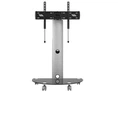
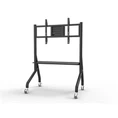
For example, our Entertainment Floor TV Stand is designed with a wide and sturdy base to provide maximum stability, even at relatively high heights. This stand is made from high - quality materials that can support the weight of large TVs without compromising on stability.
Material and Design
The materials used in the construction of the TV floor stand and its design also impact the maximum height. Some materials, such as steel and solid wood, are stronger and more durable than others, allowing for taller stands. Additionally, the design of the stand, including the shape of the legs and the overall frame, can affect its stability.
Our Tripod Stylish TV Stand is a great example of a well - designed stand. The tripod design provides excellent stability, and the use of high - quality materials ensures that it can support a TV at a reasonable height. The unique design also adds a touch of style to any room.
Installation and Placement
The installation and placement of the TV floor stand can also influence its maximum height. If the stand is installed on an uneven surface, it may not be stable at a high height. Similarly, if the stand is placed in an area with a lot of foot traffic or where it can be easily bumped into, a lower height may be more appropriate.
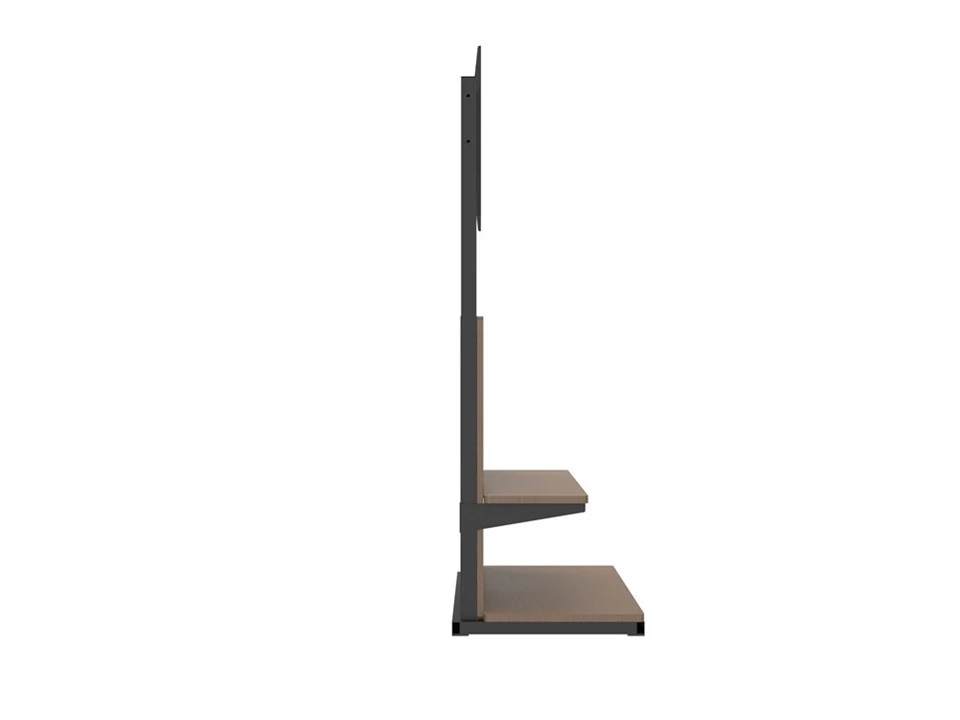

Determining the Maximum Height for Your TV
To determine the maximum height of a TV floor stand for your specific situation, you can follow these steps:
- Measure the TV Size: Measure the diagonal size of your TV screen. This will give you an idea of the general height requirements.
- Determine the Viewing Distance: Measure the distance from the seating area to the TV. Use the recommended viewing distance guidelines (1.5 to 2.5 times the diagonal size of the TV) to ensure a comfortable viewing experience.
- Consider the Seating Arrangement: Take into account the height of the seating furniture. The center of the TV screen should be at or slightly below eye - level when you are seated.
- Evaluate the Room Conditions: Consider the surface where the stand will be placed and the amount of foot traffic in the area. This will help you determine the stability requirements.
Based on these factors, you can then choose a TV floor stand with an appropriate height. If you're unsure, our team of experts is always available to provide guidance and recommendations.
The Benefits of Choosing the Right Height
Choosing the right height for your TV floor stand offers several benefits. Firstly, it enhances the viewing experience. When the TV is at the correct height, you can enjoy a more comfortable and immersive viewing experience, without having to strain your neck or eyes.
Secondly, it improves the safety of your home. A stable TV stand reduces the risk of the TV tipping over, which can cause damage to the TV and pose a safety hazard, especially if there are children or pets in the house.
Finally, it adds to the aesthetic appeal of your room. A well - placed TV stand can complement the overall decor of the room and create a more cohesive and stylish look.
Contact Us for Your TV Floor Stand Needs
As a leading TV floor stand supplier, we offer a wide range of high - quality stands to meet your specific needs. Whether you're looking for a simple and functional stand or a stylish and unique design, we have the perfect solution for you.
If you're interested in purchasing a TV floor stand or have any questions about the maximum height or other features, please feel free to contact us. Our team of professionals is ready to assist you in finding the right stand for your TV and your home.
References
- Consumer Electronics Association. (2019). Guidelines for Optimal Viewing of Flat - Panel Displays.
- Ergonomics Society. (2020). Principles of Ergonomic Design for Home Entertainment Systems.