

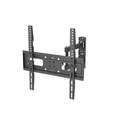
In the dynamic world of modern workshops, the integration of technology has become a necessity rather than a luxury. Tablet devices have emerged as powerful tools, offering access to blueprints, manuals, and real - time data. However, to fully leverage the potential of these tablets, a reliable and functional tablet stand is essential. As a tablet stand supplier, I've had the opportunity to observe and understand the diverse needs of workshop environments, and I'm excited to share the key features that make a tablet stand truly useful in a workshop setting.
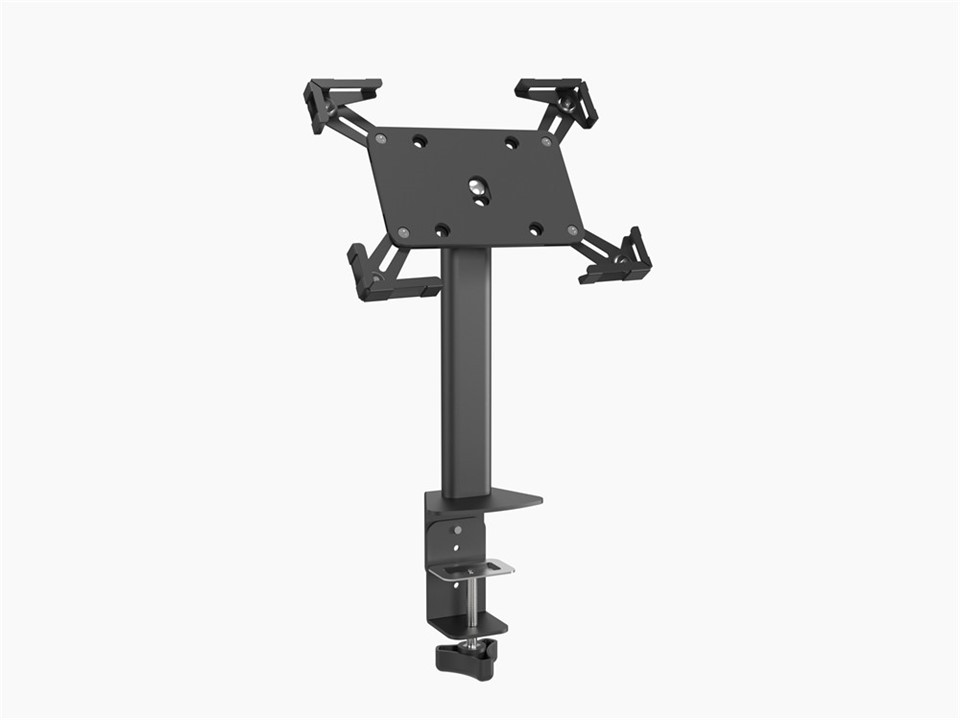
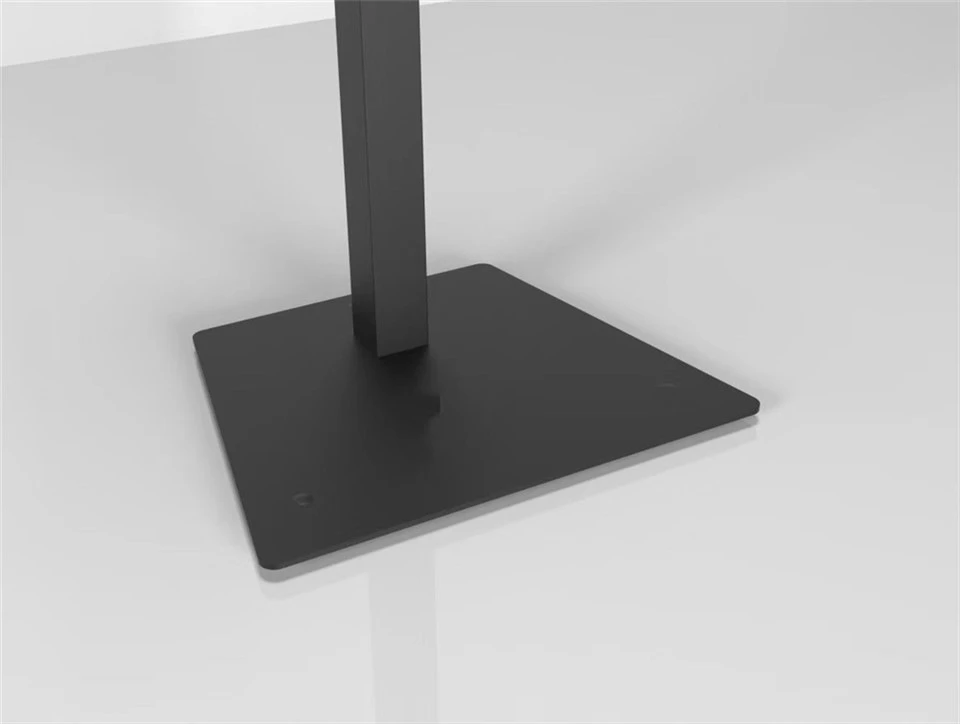
1. Stability and Durability
Workshops are bustling places with a lot of movement, vibrations, and the occasional accidental bump. A tablet stand must be able to withstand these conditions and keep the tablet secure. A heavy - base design is often a great choice. For instance, a stand with a wide and weighted base provides a solid foundation, reducing the risk of the stand tipping over. This is particularly important when workers are moving around the workshop or using tools that generate vibrations.
In addition to a heavy base, the materials used in the construction of the stand are crucial. Sturdy metals like aluminum or steel offer excellent durability. They can resist scratches, dents, and the wear and tear that comes with daily use in a workshop. Plastic components can also be used, but they should be of high - quality and impact - resistant. This ensures that the stand can last for a long time, providing a reliable solution for tablet support.
2. Adjustable Angle and Height
One of the most important features of a workshop tablet stand is its adjustability. Workers need to be able to position the tablet at the most comfortable angle and height for their specific tasks. An adjustable angle allows users to reduce glare from overhead lights or sunlight, which is especially important when viewing detailed blueprints or instructions on the tablet screen.
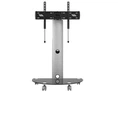
Height adjustment is equally crucial. Different tasks may require the tablet to be at different levels. For example, when standing and working on a large project, a higher position may be more suitable, while sitting at a workbench may call for a lower height. Our Adjustable Height Adjustable Tablet Floor Stand offers a wide range of height and angle adjustments, allowing workers to customize the position of their tablets according to their needs.
3. Compatibility with Different Tablet Sizes
Workshops often have a variety of tablet devices in use, from small 7 - inch tablets to larger 12 - inch or even 13 - inch ones. A useful tablet stand should be able to accommodate different tablet sizes. This can be achieved through adjustable clamps or holders. The clamps should be able to grip the tablet firmly without causing any damage to the device.
Some stands also come with additional padding or soft materials on the clamping surfaces to protect the tablet's edges. This ensures that regardless of the tablet size, it can be securely held in place on the stand, providing a stable platform for work.
4. Easy Installation and Mobility
In a workshop, time is of the essence. A tablet stand that is easy to install can save valuable time for workers. Some stands come with simple clamp - on mechanisms that can be attached to desks, workbenches, or other surfaces quickly and easily. Our Desktop Tablet Stand with Clamp Installation is a great example of this. It can be installed in a matter of minutes, allowing workers to start using their tablets right away.
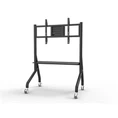
Mobility is another important aspect. Some workshop tasks may require workers to move around the workshop with their tablets. A stand that is lightweight and portable can be easily carried from one location to another. This could be a floor stand with wheels or a smaller, handheld stand that can be moved around as needed.
5. Cable Management
Tablets need to be charged regularly, and in a workshop, there are often multiple cables in use. A useful tablet stand should have a built - in cable management system. This helps to keep the cables organized and out of the way, reducing the risk of tripping hazards and cable damage.
Cable management can be achieved through channels or clips on the stand. These allow the charging cable to be neatly routed along the stand, keeping the workspace clean and tidy. It also makes it easier to access the tablet's charging port without having to deal with a tangle of cables.
6. Visibility and Accessibility
The stand should not obstruct the view of the tablet screen. It should be designed in such a way that the entire screen is visible, regardless of the angle or height adjustment. This is important for tasks that require full - screen viewing, such as watching video tutorials or viewing large - scale blueprints.
At the same time, the stand should not interfere with the tablet's ports and buttons. Workers need to be able to access the charging port, volume buttons, and other controls easily. A well - designed stand will provide clear access to these features, allowing for seamless operation of the tablet.
7. Resistance to Dust and Debris
Workshops can be dusty environments, with sawdust, metal shavings, and other debris floating in the air. A tablet stand should be resistant to dust and debris. This can be achieved through a sealed design or materials that are easy to clean.
For example, a stand with smooth surfaces can be wiped clean easily, preventing dust and debris from accumulating. Additionally, some stands may have protective covers or shields to prevent debris from getting into the stand's moving parts or the tablet's ports.
8. Cost - Effectiveness
In a business environment, cost is always a consideration. A workshop tablet stand should offer good value for money. This means that it should have a reasonable price while still providing all the necessary features.
As a supplier, we understand the importance of cost - effectiveness. We strive to offer high - quality tablet stands at competitive prices, ensuring that workshops can equip their workers with reliable tablet support without breaking the bank.
Conclusion
In conclusion, a useful workshop tablet stand should have a combination of stability, adjustability, compatibility, ease of installation, cable management, visibility, resistance to dust, and cost - effectiveness. These features ensure that the stand can meet the diverse needs of workshop workers, allowing them to make the most of their tablet devices.
If you're interested in exploring our range of tablet stands or have any questions about which stand would be the best fit for your workshop, we'd love to hear from you. Contact us to start a procurement discussion and find the perfect tablet stand solution for your business.
References
- Industry reports on workshop technology trends
- User feedback and reviews on tablet stands in workshop settings
- Technical specifications of various tablet stand models