

As a supplier of heavy - duty TV carts, I often receive inquiries about cable management on these carts. Cable management is a crucial aspect of heavy - duty TV carts, especially in commercial and industrial settings where multiple devices are connected, and a clean, organized setup is essential. In this blog, I'll explain how cable management works on heavy - duty TV carts and why it's so important.
The Importance of Cable Management on Heavy - Duty TV Carts
In a commercial environment, heavy - duty TV carts are used to transport and display TVs in various locations such as conference rooms, classrooms, trade shows, and hospitals. These carts typically carry multiple cables, including power cords, HDMI cables, audio cables, and network cables. Without proper cable management, these cables can become a tangled mess, which not only looks unprofessional but also poses safety hazards.
Tangled cables can be tripping hazards, and they can also cause damage to the cables themselves over time. Additionally, a disorganized cable setup can make it difficult to troubleshoot problems when they arise. For example, if a device stops working, it can be challenging to determine which cable is the source of the problem if the cables are all jumbled together.
How Cable Management Works
Built - in Cable Channels
Most heavy - duty TV carts come with built - in cable channels or raceways. These are essentially grooves or tubes that are designed to hold cables in place. The cable channels are usually located along the frame of the cart, allowing cables to be neatly routed from the TV to the power outlet and other devices.
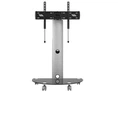
For example, a Heavy Duty Portable TV Stand may have cable channels on the legs and the horizontal bars of the cart. Cables can be inserted into these channels, which keeps them separated from each other and prevents them from tangling.
Cable Clips and Straps
Cable clips and straps are another important part of cable management on heavy - duty TV carts. These can be used to secure cables to the cart's frame or to each other. Cable clips are small plastic or metal devices that can be attached to the cart and hold cables in place. Straps, on the other hand, can be used to bundle multiple cables together.
For instance, if you have several HDMI cables running from the TV to a media player, you can use a cable strap to bundle them together. This not only makes the cables look neater but also makes it easier to move the cart without the cables getting caught on anything.
Cable Management Boxes
Some heavy - duty TV carts also come with cable management boxes. These boxes are designed to house power strips, routers, and other devices, as well as to organize the cables that connect to these devices. The cable management box typically has holes or ports for cables to enter and exit, which helps to keep the cables organized.
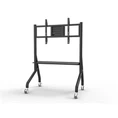
A Heavy Duty Rolling TV Stand might have a built - in cable management box at the base of the cart. This box can be used to store a power strip, a media player, and the associated cables. The cables can be routed through the box and out to the TV and other devices, keeping everything organized and out of sight.
Benefits of Effective Cable Management
Safety
One of the primary benefits of effective cable management on heavy - duty TV carts is safety. By keeping cables organized and out of the way, the risk of tripping over cables is significantly reduced. This is especially important in high - traffic areas such as conference rooms and trade shows.
Ease of Use
When cables are properly managed, it's much easier to set up and use the heavy - duty TV cart. You can quickly connect and disconnect devices without having to untangle a mess of cables. This saves time and makes the overall user experience more pleasant.
Aesthetics
A well - organized cable setup on a heavy - duty TV cart looks professional and clean. This is important in commercial settings where the appearance of the equipment can have an impact on the overall impression of the business.
Longevity of Cables
Proper cable management can also extend the lifespan of the cables. When cables are tangled and bent at sharp angles, they are more likely to break or develop faults. By keeping cables organized and protected, you can reduce the risk of damage and ensure that the cables last longer.
Tips for Cable Management on Heavy - Duty TV Carts
Labeling
Labeling cables is a simple but effective way to keep them organized. You can use cable labels or colored tape to mark each cable, indicating what it is and where it goes. This makes it easier to identify and troubleshoot cables when needed.
Regular Maintenance
Regularly inspecting and maintaining the cable management system on your heavy - duty TV cart is important. Check for any loose cables, damaged clips or straps, and make sure that the cable channels are clear. This will help to prevent any problems from occurring and ensure that the cable management system continues to work effectively.


Plan Ahead
When setting up the heavy - duty TV cart, plan ahead for cable management. Consider the location of the TV, the power outlet, and other devices, and route the cables accordingly. This will help to ensure that the cables are organized from the start.
Conclusion
Cable management is an essential part of heavy - duty TV carts. It not only improves the safety and aesthetics of the cart but also makes it easier to use and maintain. By using built - in cable channels, cable clips and straps, and cable management boxes, you can keep your cables organized and prevent them from becoming a tangled mess.
If you're in the market for a heavy - duty TV cart, consider our products, which are designed with effective cable management in mind. We offer a range of Heavy Duty Portable TV Stand and Heavy Duty Rolling TV Stand options to meet your needs. If you have any questions or would like to discuss your specific requirements, please feel free to reach out to us. We're here to help you find the perfect solution for your cable management and heavy - duty TV cart needs.
References
- "Best Practices for Cable Management in Commercial Settings." Industry Journal of Technology and Equipment.
- "The Importance of Organized Cables in Heavy - Duty Equipment." Equipment Management Review.